01 / 08

People
- Payroll and payroll accounting
- Vacations, access and benefits
- Occupational medicine
We take over your company’s back-office processes — payroll, tax obligations, insurance, purchasing — with AI agents that work inside your systems and a team accountable for the result.
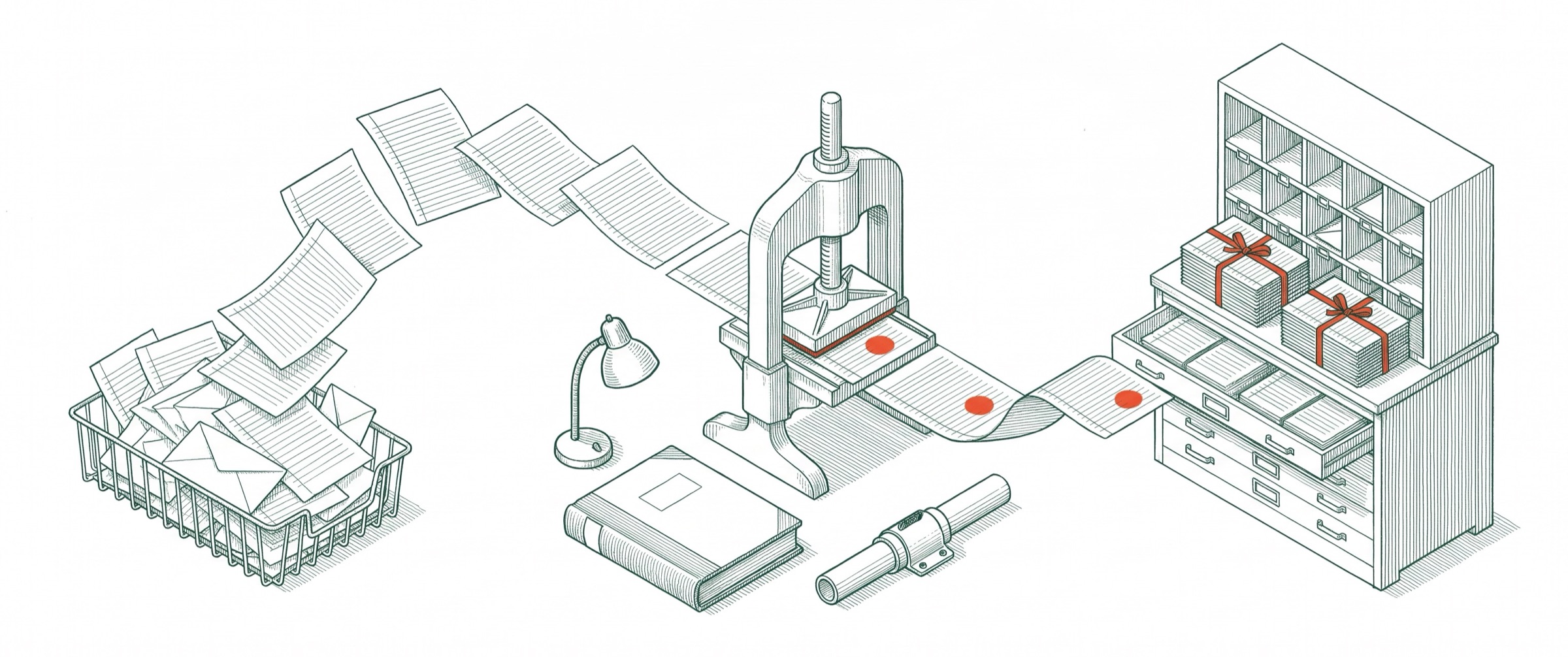
Invoices, orders, emails, WhatsApp messages. Models trained on your process read every document.
Your company’s rule is applied the same way every time. Anything outside it goes to a person to approve.
The entry is made directly in your system, with the row and the rule it came from.
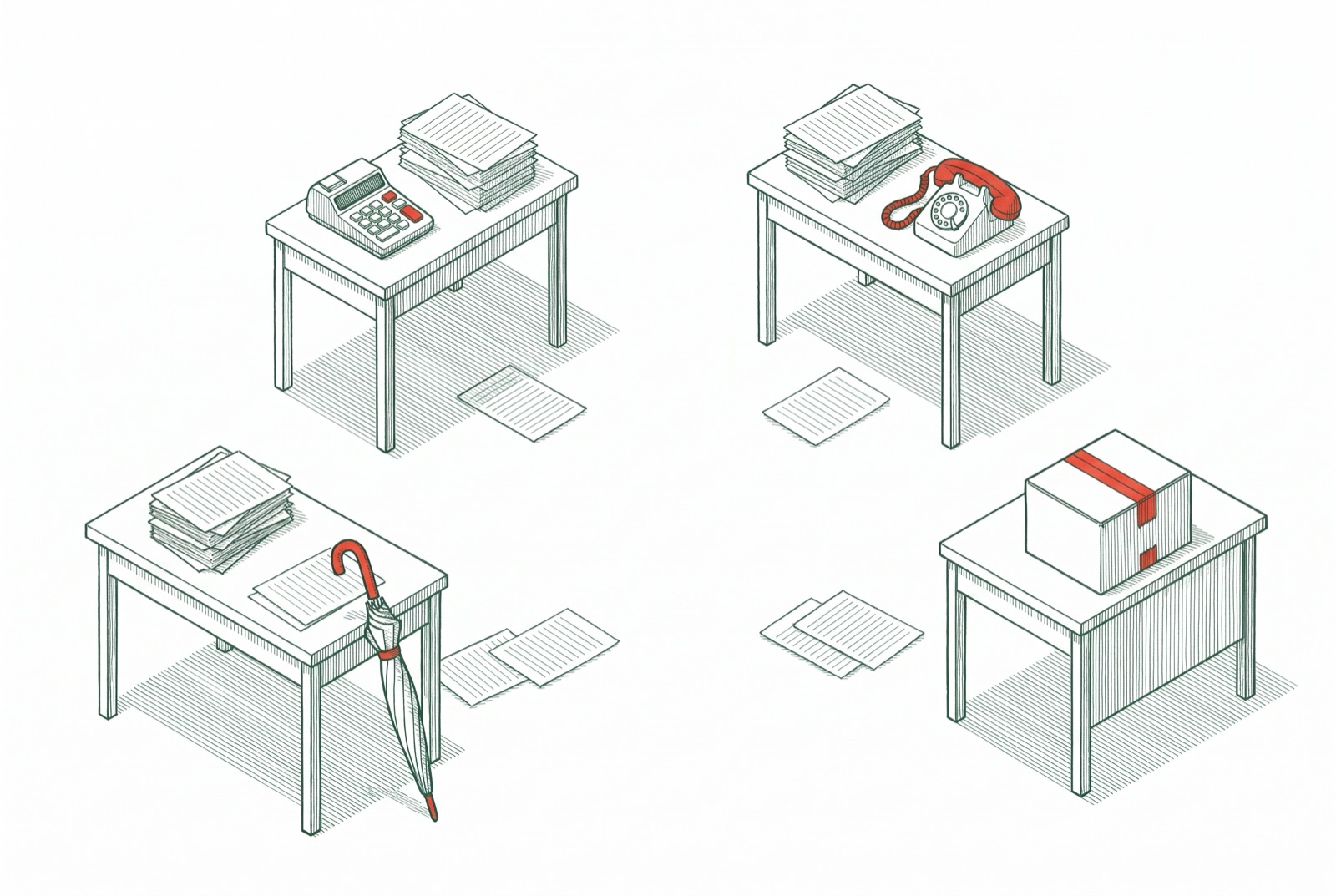
Payroll, taxes, insurance, purchasing and documents are work that comes round every month. In large companies a dedicated centre handles it. In mid-size ones the same work is split between people with another job to do, the accountant, the broker and outside providers, and each sees only their own part.
| Today | With SolveGraph |
|---|---|
| Each process with a different person or third party | One place answers for all of them |
| Rules in the head of whoever does the work | Rules written down, applied the same way every time |
| Nobody measures deadlines or errors | Deadlines and errors measured, process by process |
Processes now split between your staff, the accountant, the broker and third parties. We take over one at a time, measured from day one.





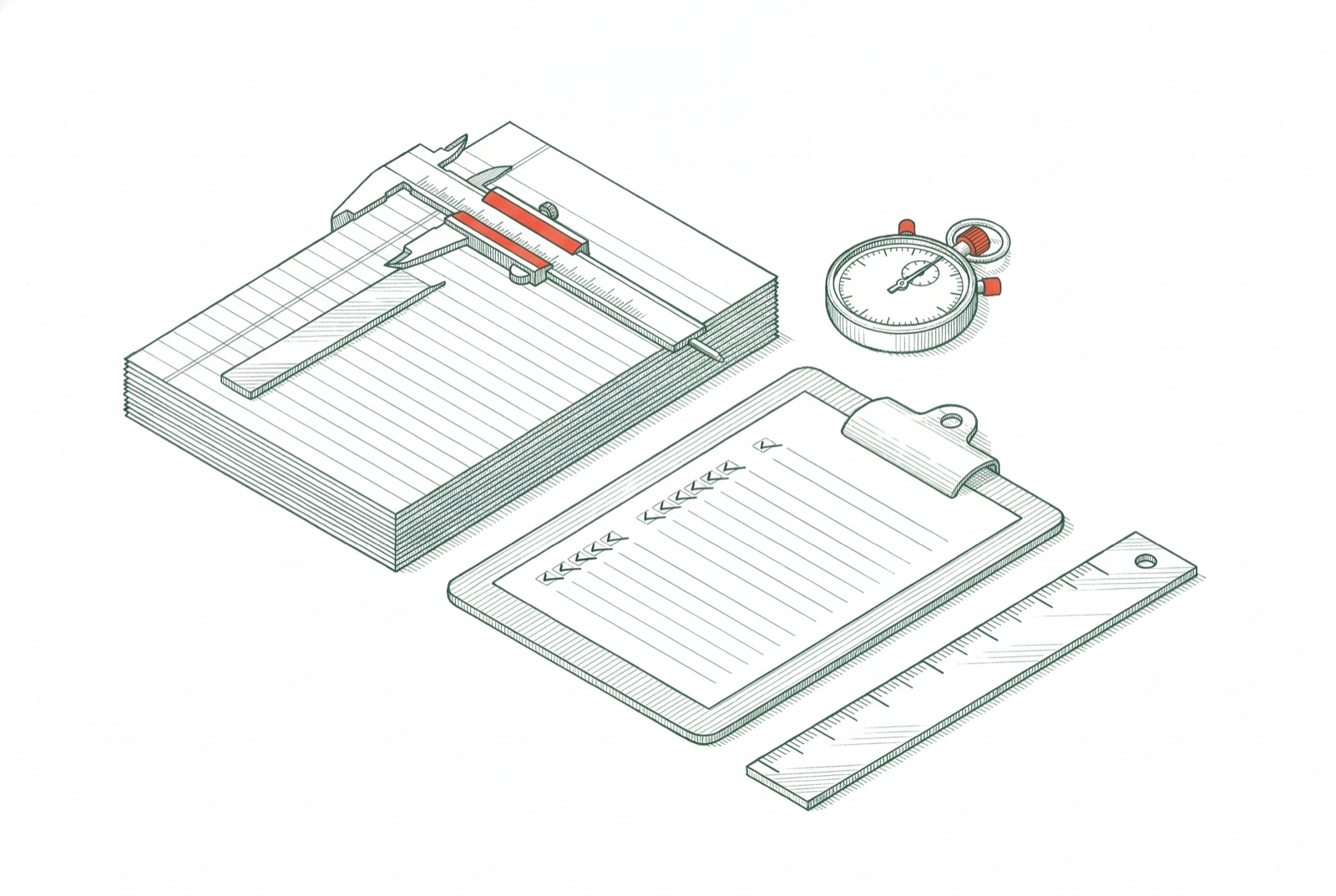
We draw the process as it runs today and measure how much comes out right first time and where it fails.
We link the agents to your ERP through a semantic layer. No robot clicking on screens, and the data stays in your databases.
Models read the documents, rules decide, and anything involving money or risk asks a person for approval.
You see volume, first-time-right rate and errors, with the source of every action.
Keep it. It makes each person faster, but it does not know your company. We connect AI to your ERP through a semantic layer, give one answer with its source, and deliver a finished process, not a tool.
No. Answering is where it starts. The same layer watches, warning you without being asked, and acts: it carries out the step and asks for approval when money or risk is involved.
We don’t sell one either. We take over work you already pay someone to do, inside or outside the company, and show the result in deadlines, errors and volume.
Your company’s data does not need to leave it for AI to do the work.
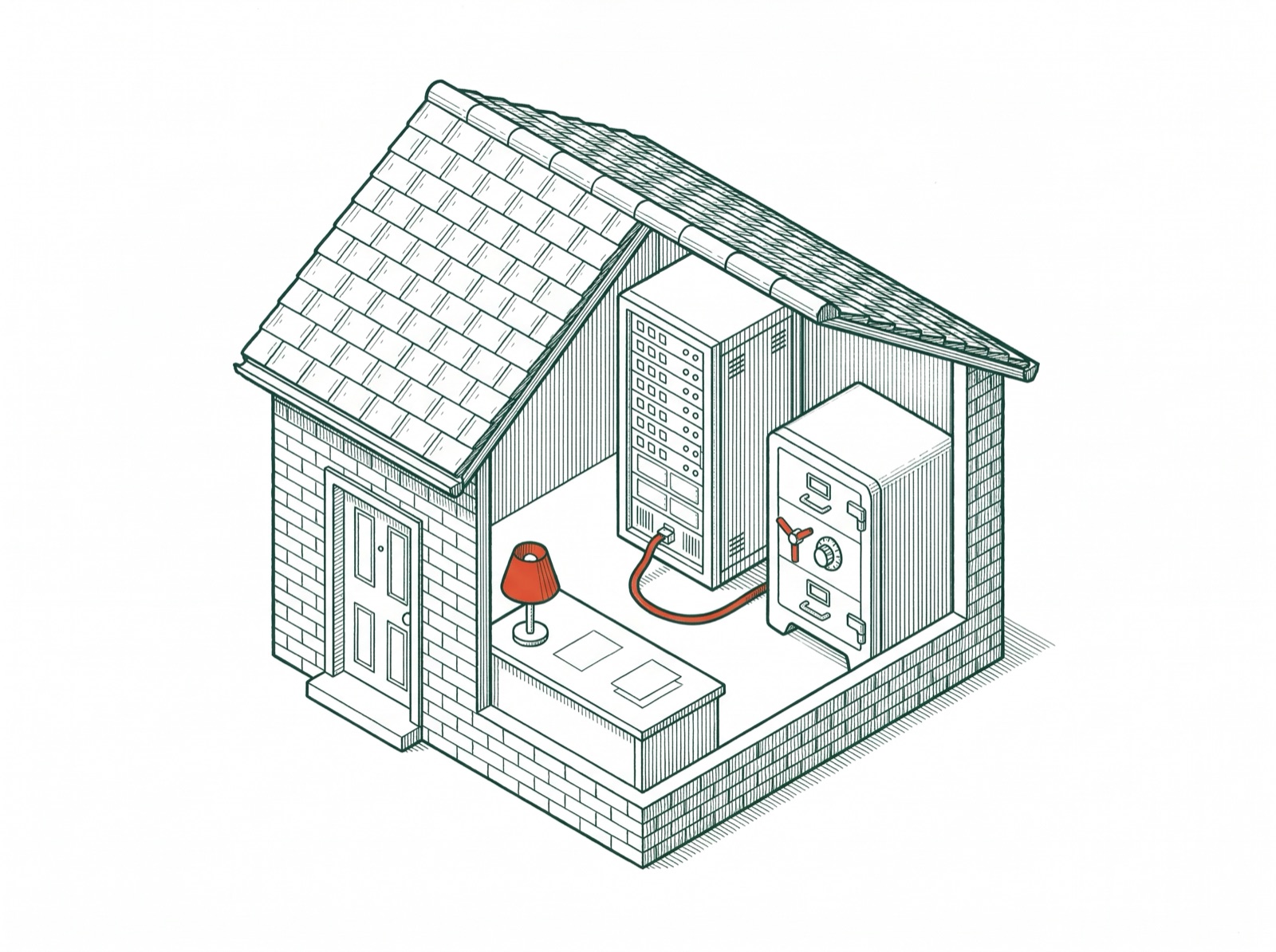
The semantic layer is virtual: it queries your databases where they are.
Small models, tuned to your process, run on your infrastructure.
Every answer shows the row and the rule it came from.
The people who answer for your process come from operations, not from software. The team pairs those who have run shared services with those who build and evaluate the agents.
Tell us which process weighs most on your company today. The conversation starts there.